Metallic Epoxy Floors in Oak Brook, IL

A seamless resin floor with real depth in it, built in coats and worked by hand while it is wet, so the movement runs through the floor rather than being printed on it. No two come out the same.
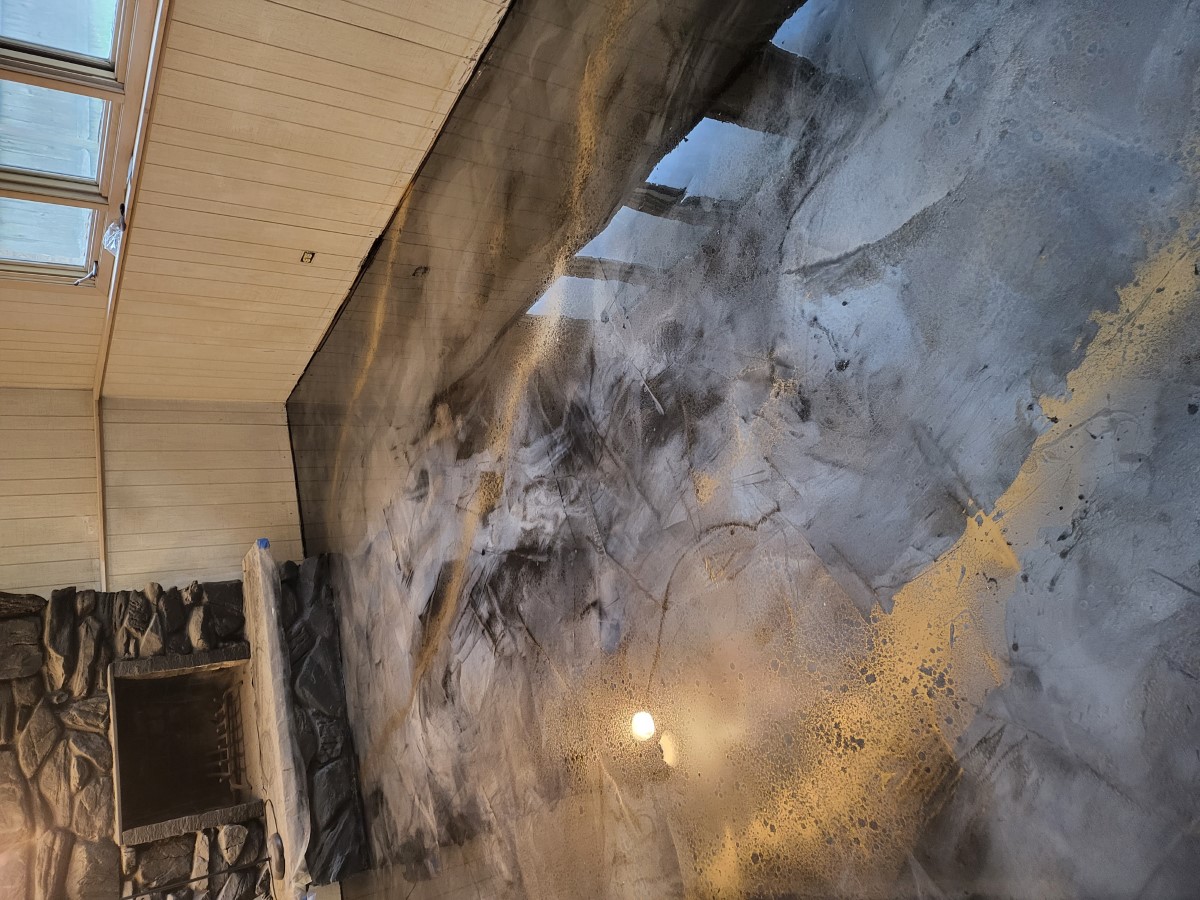
Metallic epoxy floor with depth and movement

What a metallic floor is, and where the depth comes from

It is a poured resin floor carrying metallic pigment that separates and moves inside the coat as it cures. What you end up looking at is not a pattern applied to a surface. It is depth formed within the thickness of the floor itself, which is why it changes as you cross the room and as the light moves, and why a photograph never quite settles what it looks like in person.

Everything else about it is a working floor. Seamless wall to wall with no joints or grout lines, bonded to a diamond-ground slab, cracks and control joints opened out and filled beforehand, and a clear topcoat over the whole thing that takes the wear and carries the sheen. It cleans with a mop. The topcoat is also the part that can be renewed later without disturbing the floor underneath it. Because the effect sits under that clear layer rather than on the surface, what wears is the topcoat and not the depth you paid for.

There is no color chart for this finish, because the color is mixed for the job rather than picked from a range, and no two installations repeat. Metallic floors we have installed are on the gallery, including black and white, and that is the honest way to choose one.

Metallic epoxy floor with pigment worked through the coat
Polished metallic epoxy floor reflecting the room

How the floor is built, coat by coat

This is worth understanding, because it is the whole difference between a metallic floor and a decorative paint, and it is what you are actually paying for. It starts with the slab, not the color. The concrete is diamond-ground so the resin keys into it mechanically, and any crack or joint that would otherwise track through is opened out and filled first. Then a base coat goes down, and its color matters more than people expect: it is what the metallic layer above sits on and reads against, so it sets how light or dark the finished floor comes out.

The metallic coat is poured over that base and then worked while it is still wet. That working is the craft in the job, and it is done by hand: the pigment is moved, drawn and allowed to separate so the movement runs where it should across the room rather than pooling or stopping dead at a wall. It cannot be undone or adjusted once it has gone off, which is why it is done by people who have done it before rather than learned on your floor.

A clear topcoat then goes over the finished effect and does the work of being a floor. It takes the traffic, provides the abrasion resistance and sets the final sheen, and the effect it protects sits below it rather than being exposed to the room.

Why it does not date the way a trend finish does

The fair version of the concern is this: a floor is a large, permanent, expensive surface, and nobody wants a room defined by something that will look of its moment in a few years. It is the right question to ask about any decorative floor.

What protects a metallic floor from that is that it is not a pattern. There is no motif, no repeat and no print to place it in a particular year, and the depth and movement it has are closer in kind to stone or figured timber than to a graphic finish. Those read as materials rather than as styles, which is why they have stayed in use for a very long time.

Where floors of this type do go wrong is in the choice, not the product, and that is worth being straightforward about. A strong, high-contrast, highly reflective floor is a statement, and a statement is exactly what some rooms want and others do not. In a showroom or a reception area, where the floor is meant to be part of the impression, that is the point of it. In a working office it can be too much. The lever is contrast and sheen rather than whether you have the finish at all, and it gets decided with samples in the actual room.

Room with metallic epoxy flooring reflecting light

Seeing it in the room before you commit

We bring samples to you and put them down on your own floor, in your own light. Metallic finishes are the least suited of anything we install to being chosen from a photograph or a chart, because the whole character of the floor is in how it responds to the light in a particular room.

The visit is free and there is nothing to commit to. We measure up, check what the slab is doing, talk through the base color and how strong you want the movement, and set out honestly whether the room suits a floor this reflective.

You get a written specification covering the preparation, the base coat, the metallic coat, the topcoat and the sheen, so it can be compared properly against any other quote.

Black and white metallic epoxy floor

See samples on your own floor in Oak Brook

We cover Oak Brook and the neighboring DuPage suburbs from the shop in Roselle, and the people who bring the samples are the people who will pour and work the floor. There is no charge for the visit and nothing to commit to. Seeing the finish at full size, in the room and under the light it will actually live in, is worth doing before you commit to anything, and it costs you nothing but the time it takes. Tell us which room it is for and roughly how strong you want the movement, and we will bring base colors worth looking at rather than a folder of everything. If the room turns out to want something quieter, we will say so on the day. Call (630) 206-5602 or email info@evolveconcretecoating.com. We answer Monday to Sunday, 9 AM to 6 PM.

Areas We Serve

Proudly delivering professional concrete coatings across these Illinois suburbs and surrounding communities.

Every Floor Starts With a FREE Estimate

Contact Us

Thank you! Your submission has been received!
Oops! Something went wrong while submitting the form.