Concrete Staining in River Forest, IL

Color worked into the concrete slab of an older River Forest building and sealed, for interiors where the floor should look as though it has always belonged to the house: warm, varied, matte or softly polished, and no thicker than the slab it started as.
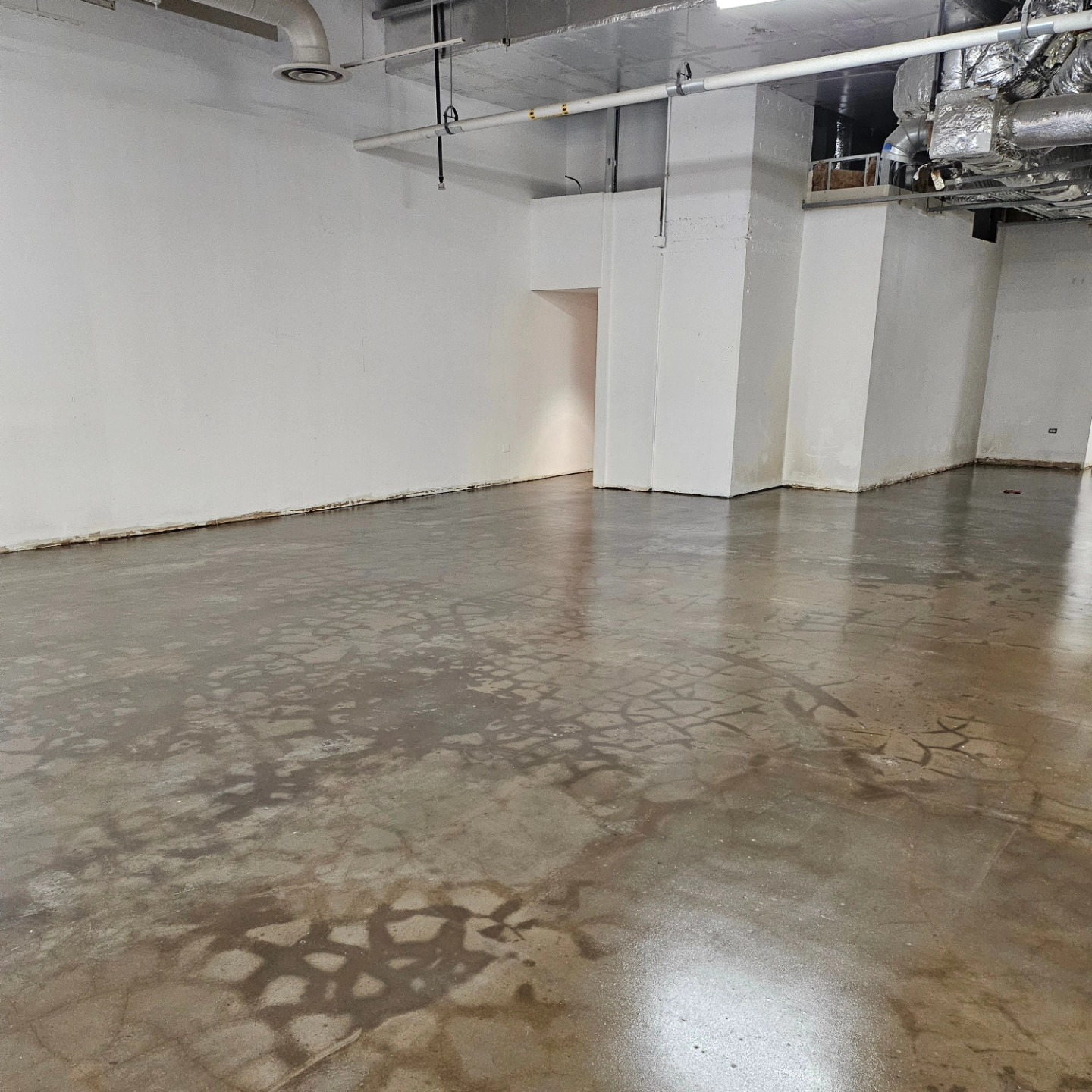
Stained concrete floor with the color worked into the slab

Stained concrete that suits an old building

Concrete staining takes the slab a building already has and puts color into it. The concrete is ground clean and open, the stain is applied and reacts with or soaks into the surface, and a sealer is laid over it to lock the color in and set the sheen. The finished floor is still your concrete, with all of its variation, its trowel marks and its history showing through the color, and it is no higher than the slab was when we started. It reads as a material rather than as a covering.

That is why it belongs in older buildings. A house or a storefront built a century ago was made of real materials, wood, brick, plaster and stone, that have aged into their color, and a stained floor ages into the room the same way. It is mottled rather than uniform, warm rather than flat, and it meets an original oak threshold or a brick hearth at exactly the same height, so nothing has to be cut, packed or ramped to accommodate it. Where a new floor covering would look like a new floor covering, stained concrete looks like part of the building.

Every quote sets out the preparation, the stain color, the sealer and the sheen in writing, so the finish can be agreed before anything is applied. Stained floors we have finished are on the gallery.

Stained concrete floor in an older commercial interior
Restaurant front of house with a stained concrete floor

Studios, storefronts, sunrooms and lower levels

Small commercial interiors are where staining does its most useful work locally: a cafe, a studio, a boutique or a professional office in one of the older storefront buildings, where the owner wants a floor with some age and character in it that still cleans like a sealed surface. The slab under an old shop has usually been through several tenants, and stain turns that history into the finish rather than hiding it.

In houses the natural rooms are the ones that were built on a slab or have had their floor taken back to one: a sunroom or an enclosed porch, a mudroom and back hall, a lower level that has been opened up as living space, or a converted garage or coach house being turned into a studio. In each of those a stained floor sits comfortably against the wood trim and the brick of the rest of the house in a way a new manufactured floor rarely does.

It is also the right floor where height is the constraint. In an older building the doorways, the stair nosings and the transitions to original wood floors were set a hundred years ago, and a stained slab meets them exactly. Nothing is raised, nothing is trimmed, and the floor runs from room to room at the level the building was designed for.

Living with a stained floor day to day

A sealed stained floor cleans like any other sealed hard floor: a sweep or a vacuum and a damp mop. The sealer is what you are actually standing on, so spills sit on the surface and wipe up, there are no seams or grout lines to collect dirt, and the floor does not hold dust the way bare concrete does. Grit tracked in from the street is swept off rather than ground in.

The color is in the concrete, not on it, so it does not wear off along a traffic route the way paint does and it cannot peel or lift at an edge. What wears over time is the sealer, and that is renewed with a fresh coat over the same floor when it eventually dulls in the busiest areas, without touching the stain underneath.

It also keeps behaving like a material as it ages. A stained floor gains a little patina in the places people walk and stand, in the way an old wood floor or a stone step does, and in an older room that is a quality rather than a defect. It is the floor least likely to look out of place as the building around it gets older.

The color and the sealer, chosen against the room

Stain color is chosen against the room and against the slab, because both change the result. The same stain goes down differently on two different concretes, so the finished tone is a conversation between what we apply and what the building poured decades ago, and it is judged against the wood, the brick and the paint that are already in the room rather than from a board. In older interiors the warm earth tones, the tans, the browns and the soft rusts, tend to sit most comfortably against original trim and masonry, and the color is agreed in writing before anything is applied.

The sealer sets the sheen and it changes the room as much as the color does. A matte or low-sheen sealer keeps the floor quiet and reads as a surface you stand on, which suits a period room where the floor should not compete with the woodwork. A higher gloss lifts the light, deepens the color and shows more of the variation in the slab, which suits a storefront or a studio that wants the floor to be noticed. Between the two there is a range, and where the slab has a lot of character in it the sheen is the lever that decides how much of that character the room shows.

What an old slab shows, and how it is prepared

Staining is translucent, so everything the slab has been through is part of the result: old paint, adhesive, carpet glue, sealer, rust marks, patches and the ghost of a wall that was taken down. The preparation is about deciding what comes off, what stays and shows, and what is genuinely a fault that has to be repaired before color goes anywhere near it.

The slab is diamond-ground open to take off coatings, adhesives and the tight surface skin so the stain can get into the concrete evenly. Cracks are opened out, cleaned and filled, and old patches are ground back so they take the stain as close to the surrounding slab as they can. Where a repair or a patch will always read differently from the concrete around it, we say so, because on a stained floor that difference becomes a permanent part of the finish.

The perimeter and the thresholds are finished by hand. Where the stained slab meets an original wood floor, a stair or a hearth, the edge is cut in cleanly at the existing height, because on a floor whose whole point is that it belongs to the building, the junction with the rest of the building is what the eye checks first.

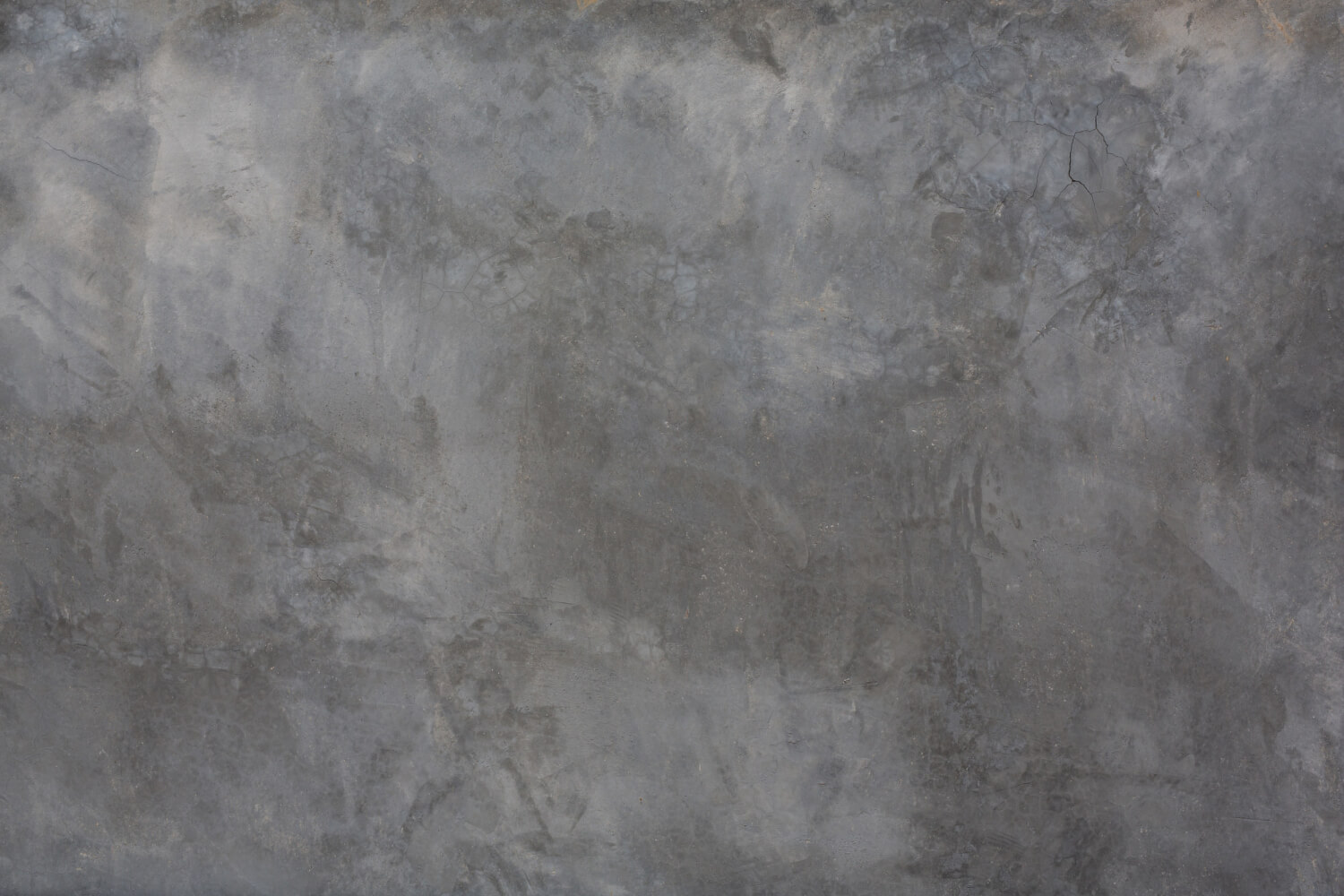
Bare concrete showing the variation a stain will read through

Standing on the slab before deciding anything

We come out and look at the concrete with you, walk the whole area, look at what is on the surface and how the slab has behaved, and talk through what a stain will and will not do on it. Older slabs vary a great deal, and experience with slabs like yours is what tells us which ones will take color evenly and which ones want a different finish altogether.

Have the rest of the room in mind at that visit: the trim, the brick, the paint and the light. The color and the sheen are talked through against those, standing on the actual floor, because that is the only place the decision can honestly be made. It is far cheaper to settle the tone there than to change your mind after the sealer is on.

The written quote sets out the preparation, the stain color, the sealer, the sheen and the detailing at every threshold, with a fixed price, and it says plainly if any part of the slab will not stain as you hope. If the concrete is not a good candidate, we tell you so on the day and talk through what else would suit the room.

Sealed concrete floor with an even sheen across the room

Older buildings in River Forest and the slabs inside them

We cover River Forest and the neighboring Cook County suburbs from our shop in Roselle, and the people who come out to look at the slab are the people who stain and seal it.

River Forest is a village of older houses and older storefront buildings, much of it dating from the early decades of the last century, with the original wood floors, trim and masonry still in place. That is exactly the setting a stained concrete floor suits: a material finish that ages with the building, meets the original thresholds at their existing height and gives a sunroom, a lower level, a studio or a small shop a floor that looks as though it was always there.

Have your River Forest slab looked at first

We work throughout River Forest and the surrounding suburbs from our shop in Roselle, with our own crew rather than subcontracted labor. The visit is free and commits you to nothing. Tell us which room it is, what is on the concrete now and what else is in the space, and we will look at the slab, talk through the color and the sheen against the room and put the whole job in writing with a fixed price, or tell you honestly if the concrete would be better suited to another finish. Call (630) 206-5602 or email info@evolveconcretecoating.com to arrange a visit. We answer Monday to Sunday, 9 AM to 6 PM.

Areas We Serve

Proudly delivering professional concrete coatings across these Illinois suburbs and surrounding communities.

Every Floor Starts With a FREE Estimate

Contact Us

Thank you! Your submission has been received!
Oops! Something went wrong while submitting the form.