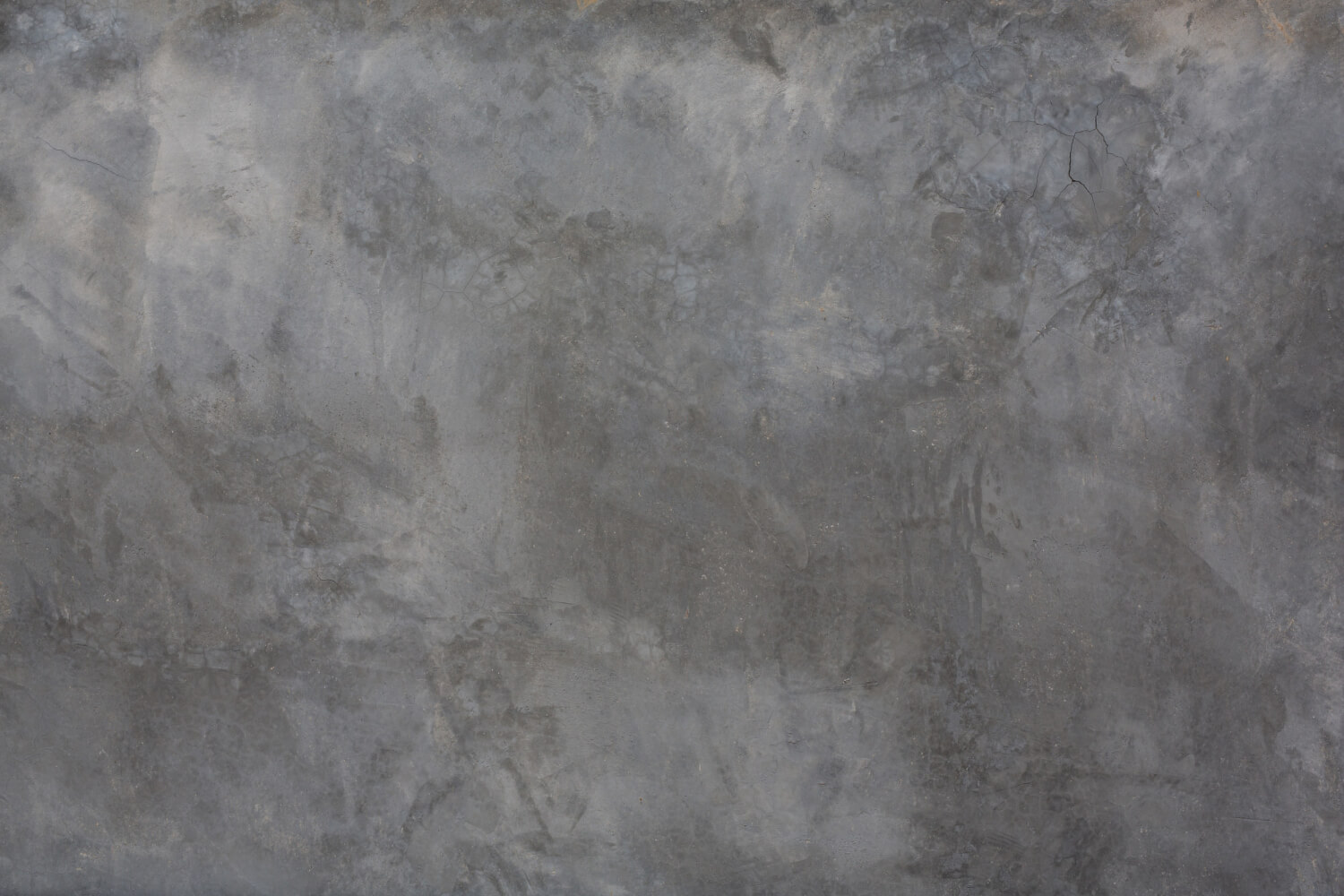
Concrete Staining in Lemont, IL

Color worked into the slab a Lemont building already has and sealed in, for interiors where the concrete's own character is wanted in the finished floor rather than covered over.
Stained concrete floor with the color worked into the slab

Stain works with the concrete you already own

Concrete staining is a finish applied to the floor the building was built with. The color goes into the concrete and a sealer holds it there, so the finished surface is structural slab that has been treated rather than a separate floor resting on top of one. Nothing is added to the height, so thresholds, steps and door clearances all stay where they are.

The important thing to understand before choosing it is that stain is translucent. It reacts with the concrete rather than covering it, which means the slab underneath is part of the result: its density variation, its pour lines and its history all read through into the finished floor. That is precisely why people choose it. The color has a depth and a movement across the room that no manufactured covering reproduces, because it is coming out of the material rather than being printed onto something laid over it.

It also means stained concrete is not the right answer for everyone, and we would rather say that at the start. If what you want is one flat, even, repeatable color from wall to wall, this finish will not give it to you and something laid over the slab will. Every quote states the preparation, the color, the sealer and the sheen in writing. Stained floors we have finished are on the gallery.

Stained concrete floor in a commercial interior
Retail shop floor finished in concrete

Storefronts, studios and service counters

Retail space is the most common case. A shop floor is a large continuous area that is looked at as much as it is walked on, and it has to keep coming back to the same appearance under a full day of foot traffic. A stained slab gives one uninterrupted surface across the whole unit, with no seams to catch the eye and no product line to match if part of it needs attention later.

Studios, workrooms and service businesses are the second group, and there the variation is doing real work. A room with exposed brick, timber or steel already in it has character that a uniform manufactured floor tends to flatten out, and a floor with tone across it sits with those materials instead of arguing with them. Salons, galleries and small studios are the usual version of this.

Offices, showrooms and reception areas are the third, and the argument there is usually about the largest surface in the room. A stained floor is a finish rather than a covering, so it reads as part of the building, and in a professional space that is often exactly the register wanted.

Concrete staining is an interior finish throughout, on a sound slab, inside the building.

Day to day on a floor with color in it

What you are standing on is the structural floor, which settles a set of questions before they are asked. Shelving, display fixtures, counters and equipment can be stood anywhere and moved whenever the layout changes, because there is no covering underneath them to indent, split or have to be made good afterwards.

Maintenance is a mop over a closed surface. The sealer is the only layer above the color, so there is nothing to reseat, nothing to keep flat and no jointing to work at, and dirt comes up rather than being pushed into open concrete.

Nothing has to be ordered, delivered, cut or acclimated either, since no material is being brought in to lay over what you own. What you are buying is preparation, color and sealer, and there is no offcut waste at the end of it and nothing taken to a skip.

The variation is what makes it wear gracefully. A floor that was never uniform does not develop worn patches, because there is no even field for a patch to show against, and when the surface does eventually need attention the answer is a fresh sealer over color that has not moved.

Color first, then how much sheen you want

The color is the first decision and it behaves less like choosing a product than most people expect. The same color goes down differently on two different slabs, so the tone you end up with is a conversation between what we apply and what your building poured decades ago. That is why samples go down on your own concrete and not on a board, and it is why we would rather you saw two or three on the actual floor than picked one from a photograph.

Sheen is the second and it changes the room more than the color does in some cases. A near-matte finish keeps the floor quiet and reads as a surface you stand on, while a higher gloss lifts the light in the room, deepens the color and makes the variation across the slab more pronounced. Between the two there is a range, and where the floor has a lot of character in it the sheen is the lever that decides how much of that character the room actually shows.

Everything the slab has done shows up

Stain shows the slab it is made from, so preparation starts with finding out what is actually there rather than with a specification. The existing covering comes up or a corner is lifted, and the concrete underneath gets read: pour lines, old patches, areas of different density, the marks left where something was bolted or fixed down, and the shadow of whatever was previously glued to it.

All of those take color at different rates and they stay visible in the finished floor. Some of it is character and some of it is a repair somebody made badly in nineteen-seventy, and the difference matters to how the floor will look, which is why we are specific at the survey about which marks will still read through rather than promising they will disappear.

The mechanical work follows from what we find. Diamond grinding takes the floor back past adhesive, previous sealers and the weak layer the original pour left at the top, which is also what opens the concrete enough to take color evenly. We check how readily the surface accepts water, since concrete that turns water away will turn stain away in the same places. Cracks and joints are opened out and filled, and we are specific about which of them will still be visible when the floor is done.

Clothing store interior with a continuous concrete floor

A sample on your own floor answers it

Nobody can tell you what this floor will look like without seeing the concrete first, so the survey starts by getting at it. A corner of the covering comes up, or we work from a patch that is already exposed, and the slab gets assessed for condition, for character and for how readily it takes water.

Then we put color down on it. Samples go on your own concrete, in the room, under the light the space actually has, and that is the step that settles the job, because your slab is the only reliable evidence of what your slab will do. It is worth having even if you go on to choose something else entirely.

You are left with a written specification covering the preparation, the color, the sealer and the sheen, detailed enough to hold against any other quote. Where the premises are trading we set out how the work is staged at the same time, so the floor fits around the days you are open rather than the other way round.

Bare concrete showing the variation a stain will read through

Older Lemont buildings and the slabs inside them

We cover Lemont and the surrounding suburbs from our shop in Roselle, with our own crew rather than subcontracted labor. A good deal of the commercial space here sits in older village buildings, much of it in premises that have been put to more than one use over the years, and that produces the kind of slab this finish is made for: sound concrete with a genuine history in it and at least one covering fitted and lifted over the top.

That history is the whole question. In a building with masonry, timber and age already visible, a floor with variation in it belongs and a flat manufactured surface tends to look like it was chosen from a catalogue. Whether your particular slab is sound and clean enough to take color evenly, and how much of its past will read through, is a question about your concrete rather than a general one, and it is what the slab check answers.

Have your Lemont slab looked at first

We work throughout Lemont and the neighboring communities from our shop in Roselle. The slab check is free and commits you to nothing, and on a staining job it is worth having whatever you decide afterwards, because the floor you already own is what determines the answer. We will look at what is under the covering, test how the concrete takes water, put samples down in your own light, and tell you plainly whether staining suits the space or whether something else would serve you better. Call (630) 206-5602 or email info@evolveconcretecoating.com to book it. We answer Monday to Sunday, 9 AM to 6 PM.

Areas We Serve

Proudly delivering professional concrete coatings across these Illinois suburbs and surrounding communities.

Every Floor Starts With a FREE Estimate

Contact Us

Thank you! Your submission has been received!
Oops! Something went wrong while submitting the form.