Concrete Sealing in Warrenville, IL

Interior concrete sealing for Warrenville units that are new, newly emptied or about to be fitted out, closing the slab while nothing is standing on it so the floor starts its working life sealed, dust free and cleanable instead of being fixed later.
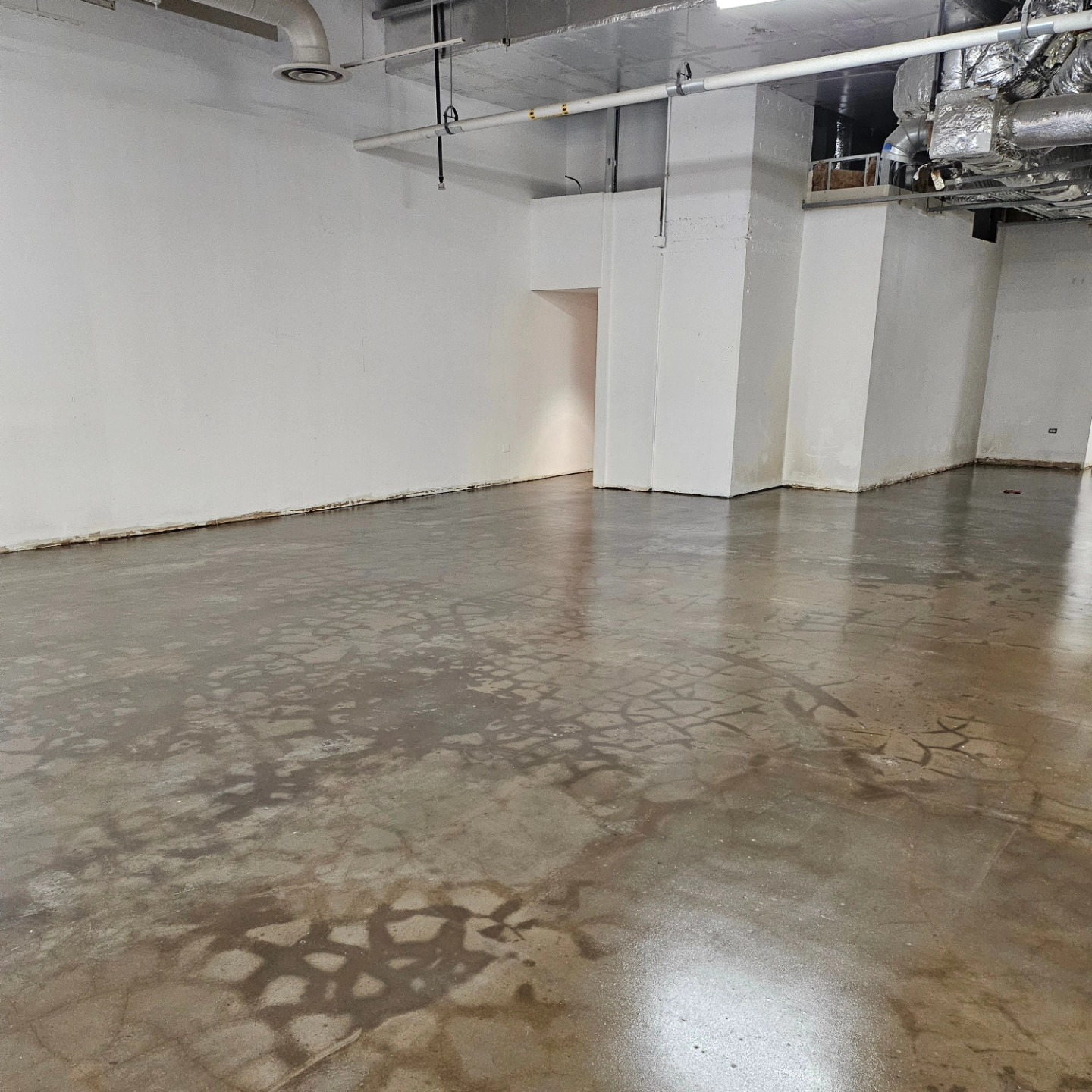
Empty interior with a sealed concrete floor showing the mottled pattern of the slab

Sealing a floor while it is still empty

Concrete sealing keeps the floor exactly where it is. The surface is prepared, a sealer is worked into the concrete, and the slab stays the slab, hardened and closed at the top and no longer open to dust, spills and wheel traffic. Nothing is laid over it and nothing is built up from it, so there is no height added at a door or a dock and nothing to lift at the end of a lease. It is a low-cost treatment per square foot that genuinely changes how a concrete floor behaves.

The best time to do it is when there is nothing on the floor. A unit that has just been built, a unit that has just been emptied by the last occupier, or an extension whose slab has just been poured is a clear, open floor that can be prepared and sealed from wall to wall with nothing in the way: no racking to work around, no stock to move and no machine bolted down in the middle of it. Sealing a floor at that moment is simpler and covers more than sealing the same floor once the business has moved in around it.

We quote the job from what we see at the visit. Sealed and ground concrete floors we have finished are on the gallery.
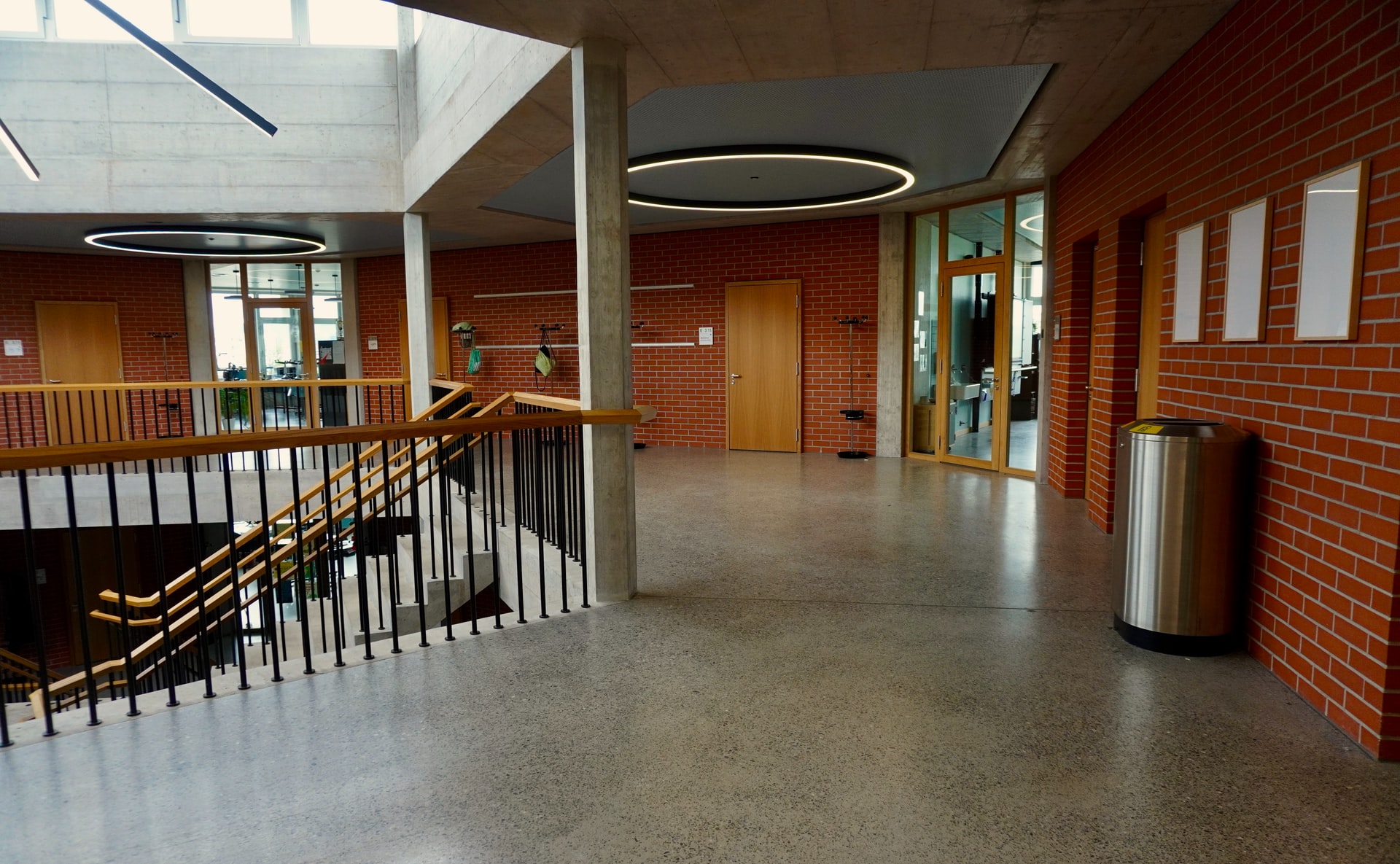
Concrete sealing on an interior floor before the unit is fitted out
Ground and sealed concrete floor across an empty commercial space

New units, emptied units and the slab just poured

The new-build unit is the clearest case. The slab is clean, level and unused, and the only things on it are what the building trades left behind. Sealing it before the racking, the benches and the stock arrive means the floor never starts producing dust in the first place, and the whole area is treated evenly because every square foot of it is reachable.

The unit between occupiers is the second. The last tenant's racking has come out, the floor has been swept and the new tenant has a short window before their own equipment goes in. A floor that has spent years under someone else's business usually needs more preparation than a new one, but the same rule applies: it is far easier to prepare and seal a floor that is empty than one that is half full.

The new extension, the mezzanine slab and the loading bay poured onto the back of an existing building are the third. A new pour next to an old sealed floor is the part that will start dusting first, and it is worth treating while it is bare. All of it is interior work, on floors inside the premises, whether the unit is a warehouse, a workshop, a production area or the stores behind a trade counter.

A floor that starts its working life closed

Dust is the thing that never begins. An open slab gives fines back under any wheeled traffic at all, and in a unit that has just been fitted out that dust ends up on new stock, new shelving and new equipment in the first month. A sealed floor does not shed, so the cleaning routine in a new unit starts as sweeping and mopping rather than as an argument with the floor.

Cleaning stays a short job. On a closed surface dirt comes up instead of going in, so a mop or a scrubber returns the floor to the same condition each time rather than gradually darkening the routes everyone walks. A spill of oil, coolant or coffee sits on the surface long enough to be wiped up rather than going straight into the concrete and staying there.

Wheels and feet land on a hardened surface. Pallet trucks, hand trucks and forklift tires run on a slab whose top has been hardened and closed, which is what stops the surface being worn open again along the aisles. What sealing will not do is build a wear layer, and it is worth being straight about that: it hardens and closes the top of the slab, it does not add thickness over it. Where the duty is genuinely heavy, a coating is the better spend and we will say so at the visit.

Penetrating seal or grind and seal on an empty floor

Both routes keep the existing floor. What separates them is how much is done to the surface before the sealer goes on, and on an empty floor that decision is made with the whole slab in view rather than around whatever happens to be standing on it.

A penetrating seal is the lighter of the two. The floor is cleaned and prepared, then the sealer is applied and driven into the concrete so it hardens and closes the surface without changing its appearance much. On a new slab that is often all that is needed, because the surface is already flat and clean, and over a large footprint it is the least expensive thing that genuinely works.

Grind and seal is the fuller treatment. The slab is diamond-ground first, which takes off old sealers, adhesive and paint on an emptied floor, or laitance and curing compound on a new one, and evens the surface across the whole floor before it is sealed. It costs more because the grinding is the work, and it is the right call where the surface needs correcting or where part of the unit will be seen by customers as well as used. In many units the practical answer is to mix them: the fuller treatment where the floor is looked at, the lighter one across the storage and circulation space behind it.

What a new slab carries, and what an emptied one carries

Preparation decides the result far more than the choice of sealer does. A sealer applied over laitance, curing compound, adhesive or an old coating does not penetrate. It sits on whatever is in the way and comes off with it, which is why a cheap job can look right on handover and be patchy inside a year.

A new slab looks clean and usually is not. It carries laitance, the weak layer left on top as the concrete cured, and often a curing compound sprayed on by the concrete contractor, plus whatever the fit-out trades dropped on it: plaster, paint, drywall dust, sealant. All of that has to come off by diamond grinding or the sealer will bond to it instead of to the concrete. A new slab also has to have finished curing before it is sealed, and we look at that at the visit rather than assume it.

An emptied slab carries the last occupier. Adhesive from a covering taken up badly, old painted lines, bolt holes where racking and machines were fixed down, and patches where oil has been going into the same piece of floor for years. The adhesive and the paint are ground off, the holes and the joints are opened out and filled flush, and the oily patches are ground back further than the rest, because contaminated concrete rejects a sealer in exactly the place that most needed it.

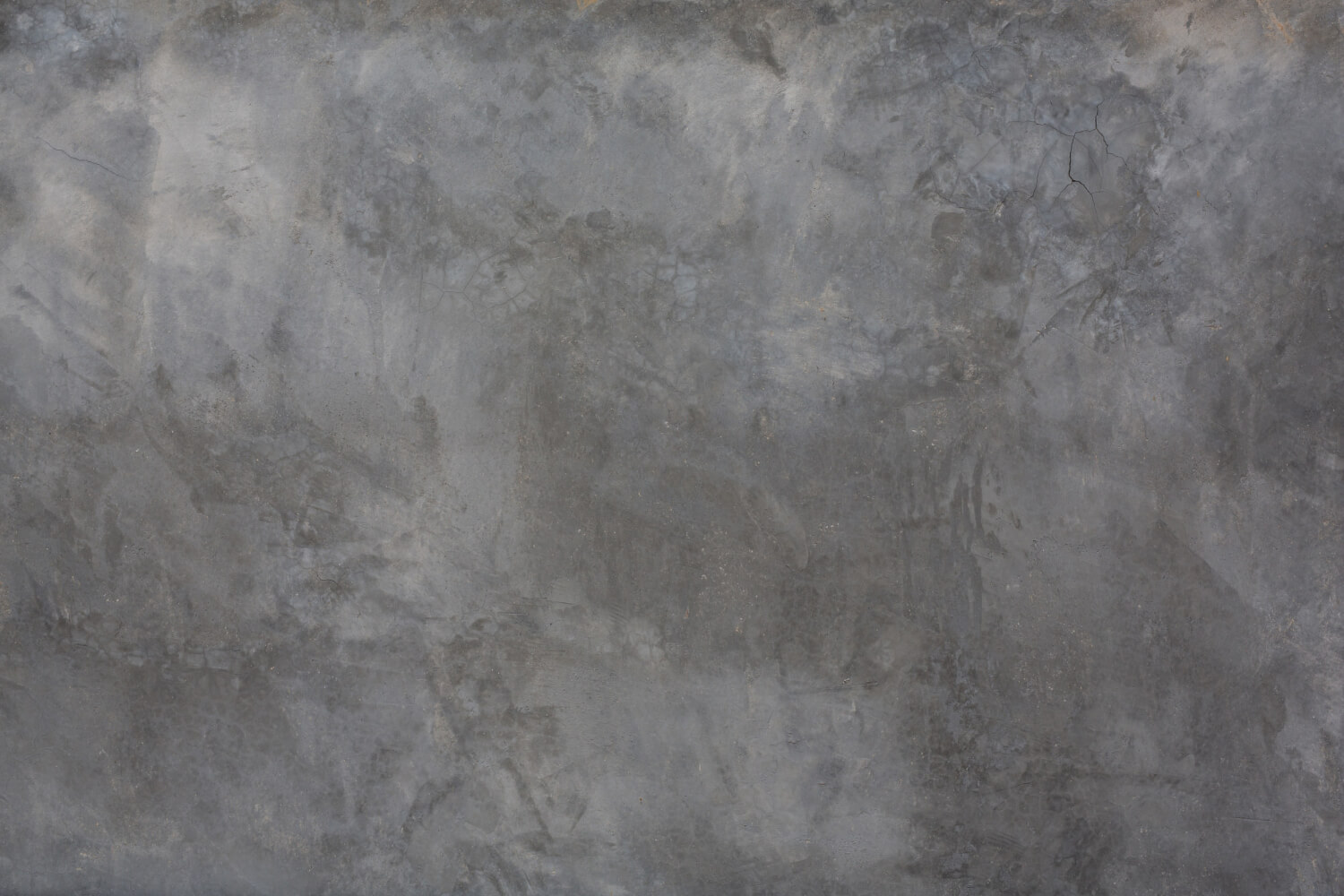
Bare concrete slab with varied shades before it is sealed

Looking at an empty floor before we quote it

We come out and look at the floor before quoting, and an empty floor is the easiest floor there is to look at. Every part of the slab is visible, so what is on it, how sound it is and where it will need more grinding than the rest are all clear on the day.

We talk through what the unit is going to be used for, which parts of the floor will be racked, which will be walked and which will be seen, and which of the two routes suits each. If the building owner or the landlord needs to approve the work, having the quote in hand is what makes that a short conversation.

We quote the job from that visit. If the floor needs more than sealing, we say so then rather than quoting the cheaper job and finding out afterwards.

Diamond grinding a slab back before the sealer is applied

New and refitted units around Warrenville

We cover Warrenville and the neighboring DuPage suburbs from our shop in Roselle, using our own crew.

Warrenville's commercial building is concentrated along the tollway, much of it in business parks that have been built out over the last few decades and are still being added to, so units here are regularly new, newly extended or changing hands between occupiers. Each of those is a floor that is empty for a short while, and that is the moment sealing does the most for the least.

Have your Warrenville floor sealed before it fills up

We work throughout Warrenville and the surrounding DuPage suburbs from our shop in Roselle, with our own crew rather than subcontracted labor. The visit is free and commits you to nothing. Tell us whether the slab is new or has had a business on it before, what is going onto the floor and which parts will be seen, and we will tell you what is on the concrete now, which of the two routes suits each part of the unit and quote the job. Call (630) 206-5602 or email info@evolveconcretecoating.com to arrange a visit. We answer Monday to Sunday, 9 AM to 6 PM.

Areas We Serve

Proudly delivering professional concrete coatings across these Illinois suburbs and surrounding communities.

Every Floor Starts With a FREE Estimate

Contact Us

Thank you! Your submission has been received!
Oops! Something went wrong while submitting the form.