.png)

.png)
.png)


What is concrete sealing?
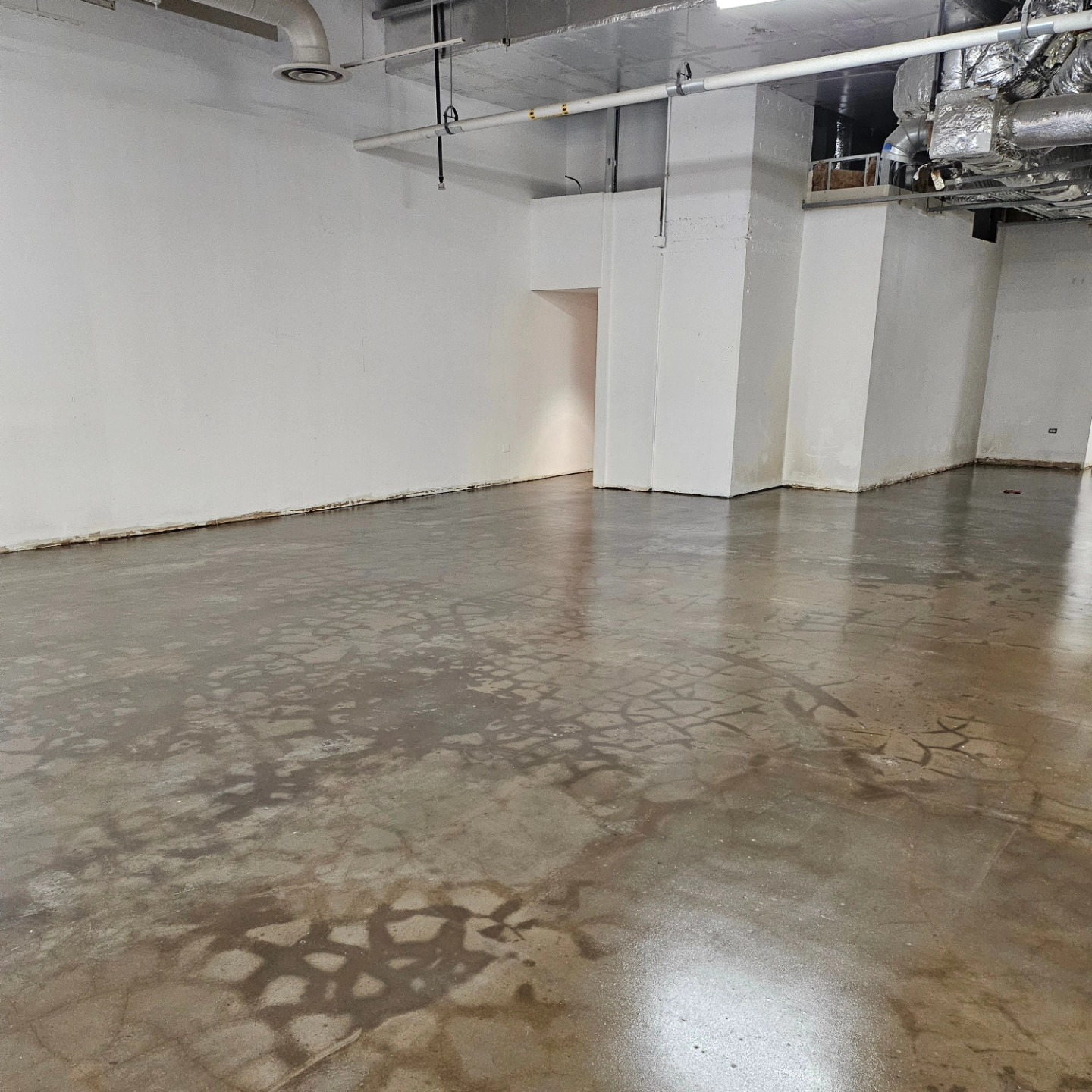
Concrete sealing is the simplest floor treatment we install. The slab is mechanically ground to take off dirt, stains and whatever was put on it before, and a clear sealer is applied to the clean concrete. Nothing is laid over the floor: the sealer bonds to the concrete and closes the surface, so the slab itself becomes the finished floor.
We install it for the Franklin Park businesses with a lot of floor and no case for coating all of it: warehouses, freight and distribution buildings, production floors, stores and the working half of a commercial unit. It suits any sound slab that is dusty, stained and hard to keep clean, and it suits the big ones best, because the cost per square foot stays low across a large footprint.
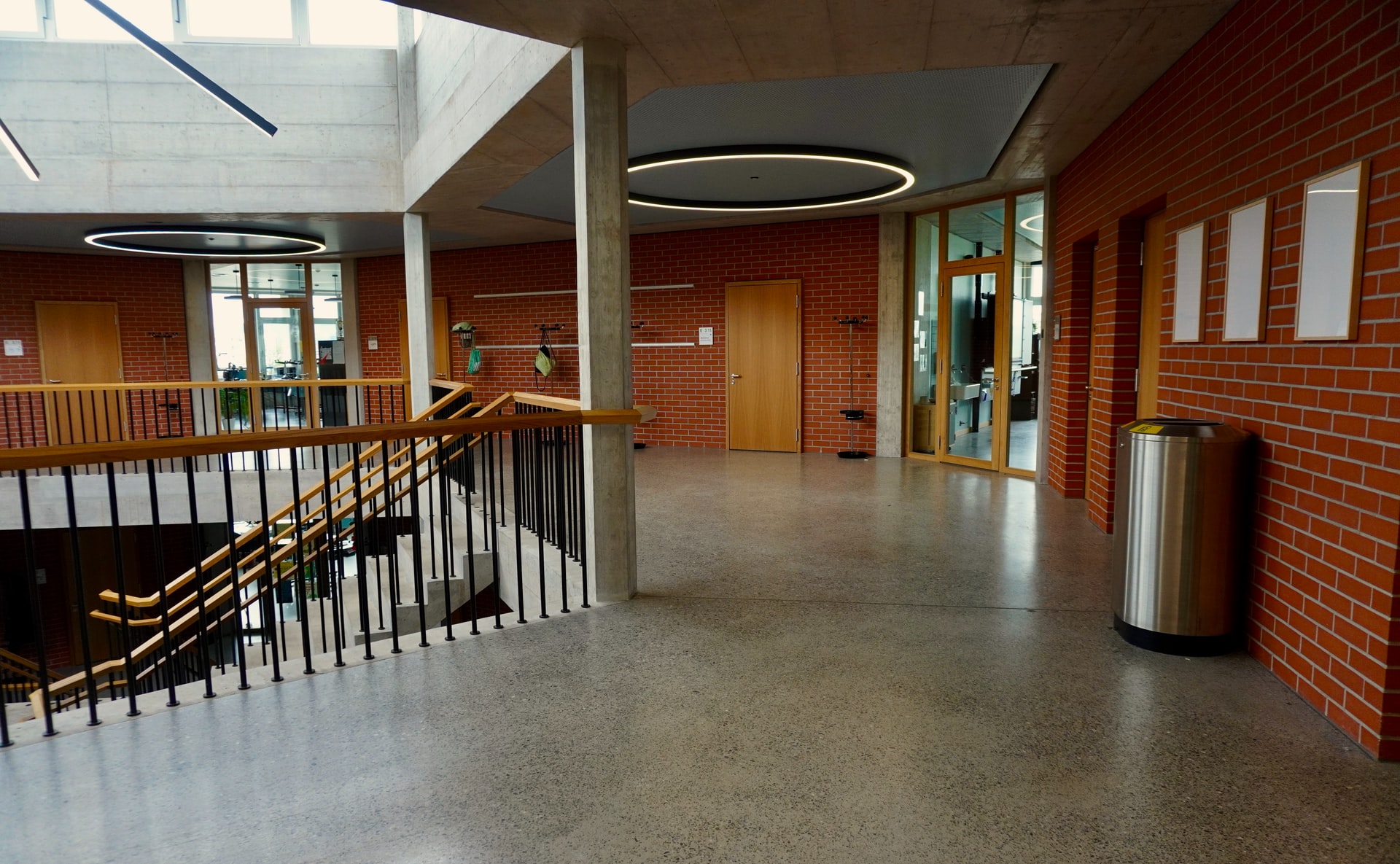
The finished floor is the concrete you already own with its natural color kept, no dust coming off it, and a surface that is non-porous, so a spill sits on top and mops away. Ground and sealed floors we have installed are on our gallery.